Do You Need a Crown or Just a Filling? How Dentists Decide in El Paso
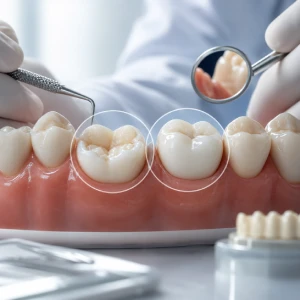
If you have a cavity, a chipped edge, or an old filling that is starting to fail, you may wonder why one dentist recommends a filling while another says you need a crown. The difference is not just about "bigger repair vs smaller repair." It is about fracture risk and how to keep the tooth functioning long-term.
This decision guide is written for patients comparing options at a dental office in El Paso, especially if you want to avoid surprises and understand what your dentist is looking for.
TL;DR - A Practical Crown vs. Filling Decision Guide
A filling replaces missing tooth structure. A crown covers and reinforces a tooth when the remaining structure may not be strong enough to hold up under everyday biting forces.
- Fillings are usually best for small-to-moderate damage when strong tooth structure remains.
- Crowns are often recommended for large repairs, cracks, or teeth at higher risk of breaking.
- Old large fillings can weaken cusps (the "points" of back teeth) and increase fracture risk.
- Symptoms like pain on biting may suggest cracks that need stronger protection than a filling.
- Same-day crowns may reduce time spent with temporary restorations for qualifying cases.
In our previous blog, "5 Signs Your Crown May Need Replacement," we discussed warning signs after a crown is already in place. In this article, we focus on how the decision is made before a crown is placed.
Why This Choice Matters More Than You Think
A filling can be a conservative, effective repair. But if a tooth is already structurally compromised, placing "just a filling" may set you up for a future emergency, such as a broken cusp, a cracked tooth that worsens, or a repair that fails under chewing pressure.
The goal is to choose the option that protects the tooth for your real life: the foods you eat, your bite, and whether you clench or grind.
What Dentists Evaluate Before Recommending a Crown or Filling
1) How Much Healthy Tooth Structure Is Left
A filling works best when there is enough strong tooth remaining to support it. When too much of the tooth is missing, the tooth can flex and crack under pressure. A crown can "cap" the tooth and help distribute forces more evenly.
2) Size and Location of the Damage
A small cavity on a side surface is very different from a large area that spans multiple surfaces or involves a biting cusp. Back teeth handle higher forces, so larger repairs in molars and premolars are more likely to need coverage to prevent fracture.
3) Cracks, Fracture Lines, and "Pain When Biting" Clues
One common patient complaint is sharp pain when chewing, especially on release. That can happen when a crack opens slightly under force. If a tooth is cracked, a filling alone may not stabilize it, and a crown may be recommended to brace the tooth.
4) The Condition of Any Existing Fillings
Many crowns are recommended not because of a brand-new cavity, but because an old filling is large, worn, leaking, or breaking down at the margins. Replacing a large failing filling with another filling can be appropriate sometimes, but it can also leave the tooth vulnerable.
5) Your Bite Forces and Habits (Clenching/Grinding)
Bite pressure is not the same for everyone. Patients who clench or grind often put more load on restorations and tooth structure, especially on back teeth. That increased force can change the risk calculation toward a crown for added protection.
6) Whether the Tooth Has Had a Root Canal
Teeth that have had root canal treatment can be more brittle and may require a crown depending on how much tooth structure remains. The recommendation depends on tooth type (front vs back) and how much was removed or previously restored.
Dental Crowns in El Paso: When a Crown Is Commonly the Safer Choice
If you are searching for dental crowns in El Paso, you may be dealing with one of these common decision points:
- Large cavities or large failing fillings that weaken tooth cusps
- Cracked teeth or suspected fracture lines
- Broken cusps or teeth that have fractured previously
- Heavily worn teeth where structure has been lost over time
- Teeth with extensive restorations where a long-term "wraparound" repair is needed
Experience note from our team: we often find that teeth with very large old fillings can look "fine" at a glance, but the surrounding enamel edges are thin. That is when a crown recommendation is frequently about preventing the next break, not just fixing today's cavity.
When a Filling May Be the Right Choice
A filling can still be the best treatment when the tooth is stable and the damaged area is limited. Common scenarios include:
- Small-to-moderate cavities with strong remaining tooth structure
- Minor chips that do not affect the biting surfaces significantly
- Replacing a small worn filling where the tooth is otherwise intact
- Lower-risk areas that do not take heavy bite force
If you want an overview of restorative options beyond a single procedure, our restorative care page outlines common ways we repair and rebuild teeth.
What About Same-Day Crowns?
Some patients are especially concerned about wearing a temporary crown, managing multiple visits, or taking time off work. If you are a candidate, same-day technology may allow the crown to be made and placed in one appointment, which can reduce the number of visits and the time spent in a temporary.
If this is a priority for you, you can review our page on same-day crowns and ask at your visit whether your tooth and schedule are a good fit for that approach.
Questions to Ask Your Dentist Before You Commit
- How much healthy tooth structure is left after decay or old filling material is removed?
- Is there evidence of cracks, fracture lines, or weakened cusps?
- What is the risk of the tooth breaking if we do a filling instead of a crown?
- How will my bite and habits (like grinding) affect the restoration?
- What does aftercare look like, and what should I avoid while healing?
FAQs
Dentists evaluate how much healthy tooth is left, how large the damaged or decayed area is, whether there are cracks, how heavy your bite forces are, and whether an old filling is breaking down. If the tooth is at higher risk of fracturing, a crown may be recommended to protect it.
Not always. A filling can be an excellent option when the tooth has enough strong structure remaining and the repair is not too large. A crown is typically used when the tooth needs additional coverage and reinforcement.
Common signs include a tooth with a very large or repeatedly failing filling, a cracked tooth or pain when biting, visible fracture lines, or a tooth that has had extensive repair. An exam and imaging are needed to confirm the best option.
In many situations, yes. Same-day crown technology can allow the crown to be made and placed in a single visit, which can reduce or eliminate the time you spend wearing a temporary restoration. Your dentist will confirm whether you are a candidate based on the tooth and treatment plan.
Ask how much healthy tooth structure remains, whether there are cracks, what the risk is of the tooth fracturing later, which material is recommended, and what to expect for aftercare. You can also ask if a same-day crown is an option for your tooth.
Related Reading
Conclusion: The Best Repair Is the One That Prevents the Next Problem
The crown vs. filling decision is really a risk assessment: how likely is this tooth to crack or fail if we choose the more conservative repair? With the right exam and a clear conversation about goals, most patients can feel confident they are choosing a repair that fits their bite and protects their tooth.
Schedule an Evaluation
If you are weighing a filling vs. a crown and want a clear plan, schedule a visit with Dr. Dan Castro. Call (915) 581-8070.
Schedule an Appointment