5 Reasons Your Crown Might Need Replacement (And What To Do Next) In El Paso
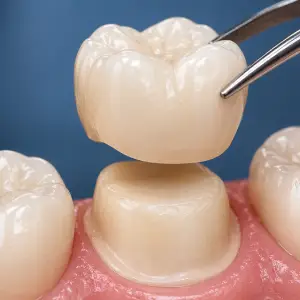
A dental crown is designed to protect a tooth and restore function, but crowns are not "set it and forget it." Over time, normal wear, bite changes, or problems under the crown can create symptoms that should not be ignored. If you are searching for dental crowns in El Paso, you may be trying to figure out whether a crown problem is urgent and what your options are.
In our previous blog, "Implants vs Dentures vs Bridges: El Paso Guide," we discussed how to choose a tooth replacement option. In this article, we focus on what it means when an existing crown is acting up and may need replacement.
TL;DR - How to Tell When a Crown Needs Attention
Most crown issues start small (a slight looseness, new sensitivity, or a bite that feels "off") and get worse if bacteria or pressure continues. The sooner you have it checked, the more conservative your options often are.
- New pain or sensitivity can point to decay, inflammation, or bite problems.
- A loose crown is a time-sensitive issue because the tooth underneath can be exposed.
- Visible cracks, chips, or edge staining may mean the seal is breaking down.
- Changes in how your teeth fit can overload the crowned tooth and nearby teeth.
- Same-day crowns may be an option when the tooth is stable and the replacement is straightforward.
Why Crowns Sometimes Fail (Even If They Look Fine)
A crown can appear intact while the underlying tooth or the crown-to-tooth seal is compromised. The crown is only as reliable as the foundation beneath it, including gum health, tooth structure, and bite forces. Experience note from our team: many patients are surprised that a crown can feel "mostly okay" while a small gap at the margin is already letting bacteria in.
Reason #1: Pain or Sensitivity That Was Not There Before
If a crowned tooth suddenly becomes sensitive to cold, sweets, or pressure, it is worth evaluating. Some causes are simple (like an adjusted bite), while others require more involved care.
Common causes
- Bite is too high: a crown that contacts first can create pressure and soreness.
- Decay under the crown: bacteria can get under a crown if the seal is compromised.
- Inflamed gum tissue: irritation around the margin can feel like tooth pain.
- Tooth crack or nerve irritation: sometimes the tooth itself is the problem, not just the crown.
Reason #2: The Crown Feels Loose, Wiggly, or Like It Is Lifting
A loose crown is one of the clearest signs you should call promptly. The tooth under the crown may be exposed to bacteria, temperature, and chewing forces that it was not meant to handle.
What to do at home (short-term)
- Avoid chewing sticky or hard foods on that side.
- If the crown comes off, keep it in a safe container and bring it with you.
- Do not try to permanently "glue" it back with household adhesives.
Reason #3: You See a Crack, Chip, or Rough Edge
Chipped or cracked crowns can be cosmetic, functional, or both. Small chips may be smoothed in some situations, but cracks can spread and compromise the crown. Rough edges can also irritate the tongue and cheeks.
If you want a broader overview of how crowns work and when they are recommended, our dental crowns page explains the role crowns play in protecting teeth.
Reason #4: Dark Lines, Staining, or Bleeding at the Crown Edge
A dark line near the gumline, new staining around the edge, or gums that bleed easily near a crowned tooth can signal that plaque is building up or that the crown margin is no longer fitting as closely as it should. Not every stain means failure, but it is a smart reason to schedule an evaluation.
Reason #5: Your Bite Feels "Off" or You Keep Hitting the Crown First
Your bite can change over time due to tooth wear, clenching or grinding, shifting teeth, or dental work elsewhere in the mouth. When a crown is taking more force than intended, it can lead to soreness, fractures, or recurring loosening.
When Same-Day Crowns May Help (And When They May Not)
Some patients can benefit from technology that allows a crown to be made in a single appointment. If you are specifically researching same-day crowns in El Paso, it usually means you want fewer visits and a faster return to normal chewing.
Our same-day crowns page explains the in-office approach and how these crowns are produced.
Same-day replacement may be a good fit when
- The tooth under the crown is stable and not significantly decayed.
- Your gums are healthy enough for accurate scanning and fit.
- The crown can be designed predictably without extensive pre-treatment.
You may need additional steps first when
- There is decay under the crown that must be removed and rebuilt.
- There are signs of infection or nerve involvement.
- Gums are inflamed or bleeding, affecting accuracy and comfort.
What Your Dentist Will Check at a Crown Evaluation
A crown evaluation is not just a quick look. The goal is to determine whether the crown itself is the issue, the underlying tooth is the issue, or both.
- Fit and margins: how well the crown seals at the gumline.
- Bite contacts: whether the crown is taking too much force.
- Gum health: irritation, bleeding, or pockets that could affect longevity.
- Underlying tooth structure: signs of decay or cracks.
- Imaging as needed: to assess what cannot be seen directly.
Choosing the Right Next Step at a Dental Office in El Paso
Depending on what we find, the next step might be as simple as a bite adjustment, or it might involve recementing, repairing, or replacing the crown. If the tooth under the crown needs additional care, addressing that first can protect your long-term outcome.
If you are also looking for a long-term plan for restorations, our restorative care page outlines the broader services that can support crowns, bridges, dentures, and implants.
FAQs
Not always. Some minor chips can be polished or repaired, but cracks or damage that affects the crown seal, fit, or bite often needs replacement. An exam and imaging help determine the safest option.
Avoid chewing on that side and call a dental office for evaluation as soon as you can. A loose crown can allow bacteria and debris under it, increasing the risk of decay or infection in the underlying tooth.
In some cases, yes. Same-day crown technology may allow a new crown to be designed and made in one visit when the tooth and surrounding conditions are suitable. If there is significant decay, infection, or gum inflammation, additional treatment may be needed first.
It can be. Biting pain may come from a bite that is too high, crown looseness, inflammation, decay under the crown, or a tooth issue like a crack or nerve irritation. A dentist can pinpoint the cause and recommend the right next step.
Longevity varies based on the tooth, bite forces, home care, and habits like grinding. Regular checkups help catch small issues early so they do not turn into bigger problems.
Related Reading
Conclusion: Do Not Wait If a Crown Is Warning You
Crowns often fail in predictable ways, and the earliest symptoms are easy to overlook. If your crown feels loose, painful, rough, or "different" when you bite, getting it checked can help protect the tooth underneath and keep your treatment options simpler.
Schedule a Crown Evaluation
If you are concerned about a crown and want clear guidance on repair vs replacement, call our team to schedule a visit with Dr. Dan Castro at (915) 581-8070.
Schedule an Appointment