Dental Implant Costs: What Changes the Total and What to Ask
If you have been researching dental implants in El Paso, you have probably noticed that pricing online can feel all over the place. That is not because implant dentistry is mysterious. It is because different patients need different steps, and different estimates may include (or exclude) key components.
This guide is designed to help you understand what commonly affects the total cost of treatment, what payment questions to bring to your consultation, and how to compare estimates fairly so you can feel confident moving forward.
TL;DR - How to Make Sense of Dental Implant Pricing
Implant totals usually change based on how many teeth you are replacing, which restoration you need (crown, bridge, or full-arch), and whether you need any prep procedures before placement.
- Ask for a written breakdown of each phase: evaluation, surgery, and final restoration.
- Confirm what is included (implant, abutment, crown/bridge, imaging, follow-ups, temporary teeth).
- Expect variability if extractions, gum treatment, or grafting are needed first.
- Compare estimates apples-to-apples by matching the same treatment steps and restoration type.
- Discuss payment timing and financing options before you schedule.
Why Dental Implant Costs Vary So Much
Dental implants are not a single item you buy off a shelf. They are a treatment plan built around your mouth, your bite, and your long-term health. In our experience, the biggest reason patients feel surprised by cost is that they expected a single number, but implants are typically delivered in phases with different components.
1) How Many Teeth You Are Replacing
Replacing one missing tooth is different from replacing multiple teeth in a row, and that is different again from restoring a full arch. The number of implants needed (and how they are used to support your final teeth) plays a major role in the total.
2) The Type of Restoration: Crown, Bridge, or Full-Arch
An implant needs a final tooth (or set of teeth) attached to it. Depending on your situation, you may need:
- Implant crown (often for a single tooth replacement)
- Implant-supported bridge (for multiple missing teeth)
- Full-arch solutions such as All-on-4 (for many missing teeth)
The materials and lab work for the final restoration can affect overall investment just as much as the surgical portion.
3) Whether You Need Preparation Before Implant Placement
Some patients can move straight into implant placement. Others need supporting care first, such as:
- Tooth extraction (if a failing tooth is still present)
- Gum health treatment (if periodontal concerns are present)
- Bone support procedures (if bone volume is insufficient)
A thorough evaluation helps confirm which steps are needed before a final plan is created.
4) Imaging, Planning, and Follow-Up Care
Comprehensive implant care often includes diagnostics and planning. When you compare estimates, ask whether imaging and follow-up visits are included. Sometimes a quote looks lower simply because certain steps are listed separately.
What a Dental Implant Estimate Commonly Includes (And What It Might Not)
A clear estimate should spell out what you are paying for and when. While every plan is individualized, many implant treatment plans include some combination of the items below.
Common Cost Components
- Exam and consultation to determine candidacy and outline options
- Imaging to evaluate bone and anatomy
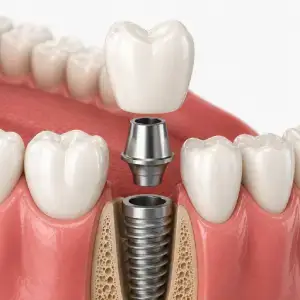
- The implant fixture (the post placed in the jaw)
- The abutment (the connector between implant and crown/bridge)
- The final restoration (crown, bridge, or full-arch prosthesis)
- Follow-up visits after placement and during healing
Items That Are Sometimes Separate Line Items
- Extraction of a tooth that cannot be saved
- Temporary tooth/teeth during healing (when appropriate)
- Bone or gum procedures needed to support a stable outcome
- Sedation or anesthesia options (if selected and appropriate)
How to Compare Two Implant Quotes Fairly
When you are comparing estimates, the most helpful approach is to make sure you are comparing the same plan. Two quotes can differ dramatically even when both are for "an implant."
A Quick Checklist to Bring With You
- What restoration is included? (implant crown vs bridge vs full-arch)
- Are the implant, abutment, and final restoration all included?
- What imaging is required and is it included?
- Are extractions or supporting procedures included if needed?
- How many follow-up visits are included?
- Is there a warranty or maintenance policy? (Ask what it covers and for how long, if offered.)
Payment Questions to Ask Your Dental Office
Because implant care is often delivered in phases, payment timing matters. If you are calling a dental office in El Paso to schedule, these questions can make the conversation much clearer.
Questions That Help You Plan Your Budget
- Can you provide a written treatment plan with a phase-by-phase cost breakdown?
- What is due at the consultation, the surgical appointment, and the restoration appointment?
- Do you offer financing options, and if so, what is needed to apply?
- If the plan changes after imaging, how is that handled in the estimate?
- If I need a temporary tooth, is it included or separate?
Insurance and Implants: What Patients Commonly Miss
Dental insurance benefits vary widely. Some plans help with certain parts of care (for example, a crown or an extraction) even if they limit coverage for implants themselves. The best next step is to bring your insurance details to your consultation so the team can help you understand how your benefits may apply.
How Dr. Castro Approaches Implant Treatment Planning
Dr. Dan Castro and our team focus on building a plan that matches the function you need and the outcome you want, then explaining the steps in a way that is easy to compare. In day-to-day practice, we often find patients feel more at ease when they see the treatment broken into phases and understand which items are optional versus medically necessary for stability.
If you are still deciding whether implants are right for you, our main dental implants page covers the purpose of implants and common treatment options in more detail.
FAQs
Many estimates include the implant itself, the abutment (connector), and the final restoration (often a crown). They may also include imaging and exams, and can include or exclude prep procedures like extractions, grafting, or gum treatment. A clear written treatment plan should explain what is included and what is not.
Differences often come from what is included (imaging, sedation, temporary teeth), the number of implants, the type of restoration (single crown vs bridge vs full-arch), and whether additional procedures are needed before placement. Comparing quotes is easiest when you confirm the same treatment steps and materials are being discussed.
Coverage varies by plan. Some plans contribute toward parts of treatment such as the crown, extraction, or bone grafting, while others have limitations or waiting periods. Your dental office can help review your benefits and estimate out-of-pocket costs based on your plan details.
Ask for a written breakdown by phase (surgery, healing, final teeth), what is due at each visit, whether financing is available, whether a deposit is required, and what happens financially if the treatment plan changes after imaging or during surgery.
The best value is a plan that is appropriate for your health and includes the steps you need for a stable result. Extremely low quotes may exclude key parts of care (like the final restoration, imaging, or follow-ups). A consultation helps you compare like for like and choose an option that fits both your needs and your budget.
Related Reading
- Dental Implants
- Restorative Care
- Meet Our Doctor
- Dental Patient Education
- 4 Cosmetic Dentistry Treatments for Smile Makeover
Conclusion: Get a Clear Plan Before You Compare Numbers
When you look past the headline price and focus on what is included, implant estimates become much easier to understand. A good consultation should leave you knowing what you need, what is optional, what the timeline looks like, and how payments are structured across phases.
If you are exploring tooth replacement and want straightforward answers, call our team to schedule a consultation. You can reach us at (915) 581-8070.
Schedule an Appointment