Why Teeth Whitening Does Not Work the Same for Everyone in El Paso (And What to Do Instead)
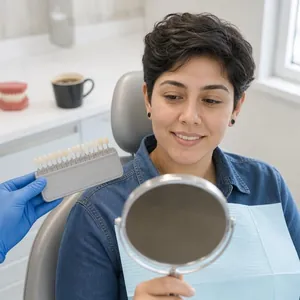
If you have tried whitening and thought, "Why did my friend get a dramatic change, but mine barely budged?" you are not alone. Teeth whitening is not a one-size-fits-all treatment, even when the products look similar. The most common reason is simple: not all discoloration is the same, and whitening products only work on certain types of stains.
This guide is written for patients researching teeth whitening in El Paso who want predictable, realistic results, or a clear Plan B when whitening is not the best solution.
TL;DR - Why Whitening Results Vary and How to Fix It
Whitening works best on natural teeth with surface-level staining. If your discoloration is deeper, you have dental work in visible areas, or you are dealing with sensitivity, your results can vary. The fix is getting the right diagnosis first, then choosing the right cosmetic option.
- Surface stains (coffee, tea, smoking) often respond well.
- Deeper, internal discoloration can be stubborn and may need alternatives.
- Crowns, veneers, and fillings do not whiten, which can create a mismatch.
- Sensitivity limits may require a slower, customized approach.
- Next steps may include professional whitening, bonding, veneers, or crowns depending on your goals.
In our previous blog, "Common Myths About Teeth Whitening in El Paso Debunked," we discussed what whitening can and cannot do. In this article, we focus on why results vary from person to person and what to do when whitening is not giving you the change you expected.
Start With the Real Question: What Type of Stain Do You Have?
Most whitening frustration comes from treating the wrong problem. Broadly, tooth discoloration falls into two categories, and each behaves differently.
Extrinsic Stains (On the Surface)
These stains live on or near the outer layer of enamel. They are commonly caused by coffee, tea, red wine, tobacco, or strongly pigmented foods. For many patients, these are the stains that respond most predictably to professional whitening.
Intrinsic Stains (Inside the Tooth)
Intrinsic discoloration is deeper, within the tooth structure. This can be why some teeth stay darker even after multiple whitening attempts. Intrinsic stains can also be uneven, affecting one tooth more than the others, which is why "spotty" results are a common complaint.
Teeth Whitening in El Paso: Four Common Reasons Results Look Uneven
1) Your Teeth Are Not Starting From the Same Baseline
Even in the same mouth, some teeth may have thicker enamel, more wear, or different levels of staining. Whitening may lighten all teeth, but not by the same amount, which makes differences more noticeable.
2) You Have Crowns, Veneers, or Fillings in the Smile Zone
Whitening products lighten natural tooth structure. They do not change the shade of porcelain or composite materials. So if you have a crown on a front tooth, veneers, or older tooth-colored fillings, those restorations will likely stay the same color while your natural teeth get lighter.
If you are unsure what is natural tooth and what is a restoration, a cosmetic consult is often the fastest way to get clarity. You can also explore broader cosmetic dentistry options when whitening alone will not create a uniform smile.
3) Tooth Sensitivity Limits How Aggressively You Can Whiten
Some people can whiten quickly with minimal sensitivity. Others experience sharp, temporary sensitivity that makes it hard to continue. When sensitivity is a limiting factor, the most effective plan is often a slower schedule, adjusted products, and a strategy tailored to your teeth, not a generic timeline.
4) The "Whitest Shade" You Want May Not Match Your Enamel and Smile
Many patients bring reference photos or have a specific shade in mind. In real life, your enamel thickness, translucency, and undertone influence what looks natural. A shade change that looks subtle in the mirror can still look significant in photos, and vice versa.
What to Do Instead: A Practical Next-Step Roadmap
If you are unhappy with whitening results, repeating the same approach is rarely the best answer. Instead, consider these next steps, in order, so you do not waste time or money.
Step 1: Confirm the Cause of Discoloration
An exam helps identify whether you are dealing with surface stain, deeper discoloration, or a mismatch caused by existing restorations. Experience note from our team: patients are often surprised to learn that one "dark tooth" is frequently a restoration color mismatch or internal discoloration, not something more whitening gel will solve.
Step 2: Choose the Most Predictable Whitening Option for Your Situation
If you are comparing in-office and at-home approaches, our page on professional vs at-home teeth whitening breaks down how they differ and when each is most useful.
Step 3: If Restorations Are the Problem, Plan Whitening First, Then Match
When dental work is visible, a common strategy is to whiten your natural teeth first (to reach a stable shade), then evaluate whether restorations should be replaced to match. This sequencing can help avoid a situation where you replace cosmetic work and then later decide to whiten, creating a mismatch again.
Step 4: Consider Cosmetic Alternatives When Whitening Cannot Change the Color You See
When whitening is not giving you the improvement you want, alternatives may create a more reliable transformation, especially for intrinsic stains, shape issues, or multiple mismatched restorations.
- Bonding: Can help cover small color concerns, chips, or uneven edges (best for targeted improvements).
- Veneers: Often used when you want more control over color and shape for front teeth. Learn more about dental veneers and when they are recommended.
- Crowns: May be appropriate when a tooth needs strength and color correction. If you are considering coverage restorations, see our dental crowns page for a helpful overview.
How to Set Realistic Expectations Before You Whitening Again
Patients usually get the best experience when they walk in with two goals: a shade goal (how bright you want to go) and a "uniformity goal" (how even you want the color across visible teeth). If you have dental work on one or more front teeth, uniformity often becomes the more important goal.
A Simple Self-Check Before Your Appointment
- Do I have any crowns, veneers, or bonding on the teeth that show when I smile?
- Is one tooth noticeably darker than its neighbors?
- Do my teeth get sensitive easily with cold drinks or brushing?
- Am I trying to fix color only, or also shape, chips, and wear?
If you want the basics of how in-office whitening works, our related article "How Does In-Office Teeth Whitening Work?" is a helpful starting point.
FAQs
Uneven results often happen when different teeth have different types of discoloration (surface stains vs deeper internal stains), varying enamel thickness, or past dental work on certain teeth. A dental exam can help identify the cause and recommend a more predictable next step.
No. Whitening products are designed to lighten natural tooth structure, not porcelain or composite restorations. If you have crowns, veneers, or bonding in your smile zone, your dentist can help you plan whitening and then evaluate whether the restorations need to be replaced to match.
Deeper intrinsic discoloration and certain types of tooth darkening tend to be more stubborn than surface stains from coffee, tea, or smoking. The best approach depends on what is causing the color change, which is why a consultation is helpful before repeating whitening products.
Sensitivity is common for some patients and can be influenced by enamel wear, exposed root surfaces, gum recession, and the strength or frequency of whitening. Your dentist can adjust the approach by changing the product, spacing treatments, using desensitizing strategies, or recommending alternatives when needed.
Depending on the situation, cosmetic dentistry options may include dental bonding, veneers, or crowns. The right choice depends on whether the issue is color alone or also involves shape, chips, wear, or existing restorations that cannot be whitened.
Related Reading
- Professional teeth whitening service page
- Questions to ask before teeth whitening
- Teeth whitening vs veneers
- How to maintain your smile after whitening
Conclusion: Better Results Start With the Right Diagnosis
Whitening can be a great option, but only when it matches the type of discoloration you are trying to change and the reality of any existing dental work. If your results were uneven, minimal, or short-lived, the most helpful next step is figuring out why, then choosing the most predictable cosmetic path forward.
Schedule a Whitening Evaluation
If you are considering teeth whitening in El Paso and want a plan that accounts for stain type, sensitivity, and existing restorations, call to schedule a visit with Dr. Dan Castro at @(PhoneNumberResolver.GetDisplayPhone(1)).
Schedule an Appointment