The Hidden Cost of Waiting After Tooth Loss in El Paso
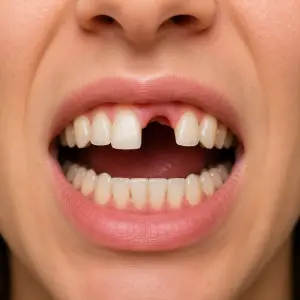
Losing a tooth can feel like something you can deal with later, especially if it is in the back or the space is not obvious when you smile. But from a dentistry standpoint, waiting is not always neutral. Over time, the mouth adapts to the gap, and those adaptations can make replacement more complicated than it needed to be.
TL;DR - Why Timing Matters for Missing Teeth
If you are considering dental implants in El Paso, the best move is often to get evaluated sooner, even if you plan to start later. The longer a space is left open, the more your teeth, bite, and jawbone can change.
- Teeth can shift into the open space, reducing room for a future implant crown.
- Your bite can change, which may lead to uneven chewing and wear.
- Jawbone can shrink where the tooth root used to be, sometimes affecting implant support.
- Gums and hygiene challenges can increase around tilted or drifting teeth.
- An early evaluation can protect options, even if you are not ready to commit yet.
In our previous blog, "Signs That Dental Implants in El Paso May Be Right for You," we discussed common reasons patients start looking into implants. In this article, we focus on what can change when a missing-tooth space is left untreated.
What Happens After Tooth Loss (Even If It Does Not Hurt)
Your teeth are part of a system. When one tooth is missing, the forces and contact points change. Some changes are subtle at first, and that is why waiting can feel harmless in the moment.
1) Nearby Teeth May Drift, Tip, or Rotate
Teeth naturally try to maintain contact with neighboring teeth. When a gap opens up, adjacent teeth may start leaning into that space. The opposing tooth (the one that used to bite against the missing tooth) may also move over time.
- Why it matters: less space can mean a future implant crown needs more planning, or you may need additional steps to create room.
- Everyday signs: food traps that did not exist before, flossing that feels different, or a new tight spot.
2) Bite Changes Can Create a Domino Effect
When chewing shifts to one side or to different teeth, the bite can become uneven. People often adapt without realizing it, until a different tooth starts to feel sore or worn.
- Why it matters: implant planning is not just about the implant, it is also about how it will function in your bite.
- Everyday signs: new jaw fatigue, a tooth that feels "hit first," or a chipped edge on a tooth that did not used to chip.
3) Jawbone Changes Are Common After a Tooth Is Lost
A tooth root helps stimulate the jawbone during chewing. When the root is gone, it is common for the bone in that area to reduce over time. This is one reason people researching implants often hear that "bone matters."
If you are exploring dental implants in El Paso, this is exactly why an earlier evaluation can be helpful: it lets us assess bone support and discuss ways to preserve or rebuild it when needed.
When Waiting Can Make Treatment Harder (Common Scenarios)
Not every missing-tooth situation becomes complicated, but these are the most common patterns that can increase complexity when a gap is left open.
A Single Missing Tooth That Turns Into a Spacing Problem
A straightforward replacement can become more involved if the neighboring teeth have shifted into the space. The goal is to restore function and a natural look, and that typically starts with having the right amount of room.
Multiple Missing Teeth That Change Chewing Habits
With several gaps, many people start chewing primarily on one side. Over time, that can contribute to uneven wear and changes that affect more than just the missing teeth.
Back Teeth That "Do Not Show" but Still Do Important Work
Molars and premolars help keep your bite stable and your chewing efficient. Leaving a back tooth missing can lead to shifting and bite imbalance, even if it is not visible when you smile.
Signs You Should Get Evaluated Sooner Rather Than Later
If any of the following are happening, it is a good time to schedule an exam with a dentist in El Paso and discuss replacement options.
- You notice new food trapping in the missing-tooth area.
- A nearby tooth feels loose, sore, or more sensitive.
- You feel your bite is off or you are chewing differently.
- You see the gum in the area changing shape or looking "sunken."
- You are considering a bridge and want to know whether an implant could help you avoid reshaping healthy teeth.
What Options Might Still Be Available If You Have Waited
Many patients worry they "missed their chance" because a tooth has been gone for a long time. In reality, you may still have choices. The key is to evaluate the current spacing, bite, and bone support.
Dental Implants
Implants are designed to replace the missing root and support a restoration above it. Your candidacy depends on several factors, including gum health and bone support.
Bridges and Other Restorative Approaches
In some situations, a bridge can be a strong solution, especially when adjacent teeth already need crowns. To understand how crowns support restorations, you can also review our dental crowns information page.
Combination Plans
Some patients do best with a phased plan that balances function, long-term goals, and budget. A comprehensive exam helps decide what makes the most sense clinically.
What to Expect From an Implant Evaluation at Our Dental Office
An implant evaluation is not a commitment to surgery. It is a way to get clarity. At our dental office in El Paso, the goal is to understand what has changed since tooth loss and what solutions fit your mouth today.
- Health check: gums, existing teeth, and any signs of active infection.
- Bite and spacing: whether teeth have moved and how that affects replacement.
- Imaging-based planning: to assess bone support and anatomy.
- Options discussion: implants, bridges, dentures, or combinations depending on your needs.
Experience note from our team: we often find that patients who come in early, even just for a baseline evaluation, feel less rushed and have more time to choose the option that fits their goals.
FAQs
As soon as it is practical. Even if you are not ready to start treatment, an evaluation can document your bite, spacing, and bone support and help preserve options for dental implants or other replacements.
Common changes include tooth shifting, bite changes, and loss of jawbone in the area of the missing root. These changes can affect spacing and support, sometimes adding steps to implant planning.
Many patients still have options. The exact plan depends on your gum health, bite, and how much bone remains. Imaging and a clinical exam are the best way to confirm what is possible.
Visibility is only part of the decision. Back teeth help maintain chewing balance and keep teeth from drifting. Leaving a gap can contribute to bite changes and uneven wear over time.
Start with a dentist evaluation so you can compare options based on your bite, the condition of nearby teeth, and bone support. A dental office can outline which solutions fit your goals and what preparation may be needed.
Related Reading
- Dental implants service page
- Restorative care options for missing teeth
- Dental implant costs and payment questions
- Implants vs dentures vs bridges (comparison guide)
- Contact our office
Conclusion: Do Not Let a Small Gap Become a Bigger Problem
Replacing a missing tooth is about more than appearance. It is about protecting your bite, your comfort, and the health of nearby teeth. If you have lost a tooth recently or have been living with a gap for a while, a timely evaluation can help you understand what has changed and what can be done now.
Schedule an Implant Evaluation
To discuss dental implants in El Paso and whether waiting has affected your options, schedule a visit with Dr. Dan Castro. Call (915) 581-8070.
Schedule an Appointment